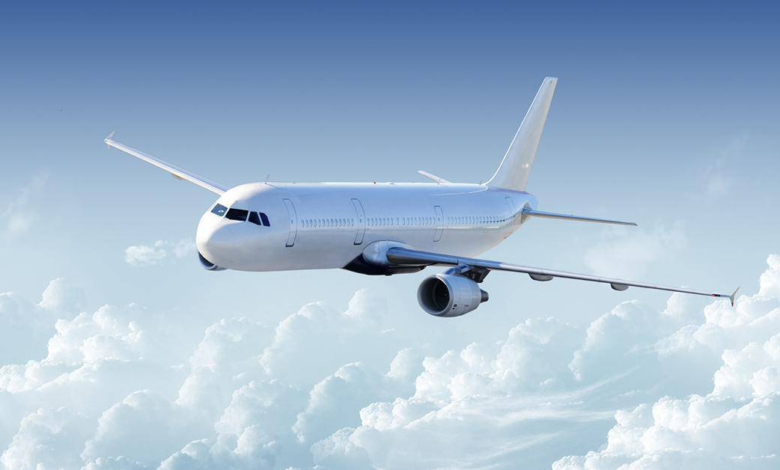
Flying is usually a smooth process. You board, you sit, and you land. But sometimes, things do not go according to plan. The delta flight dl636 diversion is a perfect example of how aviation safety works in real-time. When a plane changes its path, passengers often feel confused. They worry about delays and connections. However, diversions are not random. They happen for strict safety reasons.
This article explains the delta flight dl636 diversion in detail. We will look at why it happened, what the crew did, and how passengers reacted. We will also explore the general rules of flight diversions. By the end, you will understand why these events are rare but necessary.
The Story Behind Delta Flight DL636
Delta Flight DL636 typically travels between major hubs, often connecting busy cities like Atlanta and New York. On this specific day, the journey took an unexpected turn. Passengers settled into their seats. The flight attendants completed the safety checks. The plane took off without issue.
But as the aircraft cruised toward its destination, conditions changed. The pilots received new information. This information forced them to make a quick decision. The plane could not land at the original airport. The delta flight dl636 diversion was not a choice; it was a requirement.
The flight path shifted. The plane turned toward a nearby alternate airport. The pilots communicated with Air Traffic Control (ATC). They ensured the aircraft had enough fuel to reach the new location safely. Throughout the process, the crew kept the cabin calm.
What Triggered the Change?
Several factors can cause a diversion. For the delta flight dl636 diversion, the root cause was likely one of the following common issues:
- Sudden Weather Changes: Thunderstorms or high winds can make landing dangerous.
- Mechanical Alerts: A light on the dashboard might indicate a system check is needed.
- Medical Emergencies: A passenger might need immediate medical attention on the ground.
- Airport Congestion: Traffic at the destination airport might prevent a safe landing.
In this case, the pilots prioritized safety above schedule. They diverted the plane to ensure everyone on board arrived safely, even if it meant arriving late.
Why Pilots Choose to Divert
A diversion is a big deal. It costs the airline money and frustrates passengers. So, why do pilots do it? The answer is simple: safety is the number one rule in aviation.
When a pilot faces a problem, they have minutes to decide. They cannot take risks with hundreds of lives. The delta flight dl636 diversion shows this commitment. The pilots saw a risk and removed it.
The Decision Process
The decision to divert follows a strict pattern. It is not a guess. Here is how pilots handle the situation:
- Assess the Problem: The pilot identifies the issue. Is it an engine warning? Is a passenger sick? Is the runway visibility too low?
- Check Fuel: The pilot looks at the fuel gauges. Do they have enough fuel to circle the destination? If not, they must divert immediately.
- Select an Alternate: Every flight plan includes a backup airport. The pilot heads there.
- Communicate: The pilot tells ATC about the diversion. ATC clears the path for the plane to land immediately.
- Inform Passengers: The pilot makes an announcement. They explain the situation briefly to avoid panic.
This process ensures that the delta flight dl636 diversion happened smoothly. The pilots did not panic. They followed their training.
Inside the Cabin: The Passenger Experience
Imagine you are on the plane. You are reading a book or watching a movie. Suddenly, the pilot’s voice comes over the speaker. “Folks, we are diverting to a nearby airport.”
Your heart rate goes up. You look out the window. The landscape looks different. Questions race through your mind. Will I miss my connection? Where are we landing? How long will this take?
During the delta flight dl636 diversion, passengers likely felt these same emotions. The cabin atmosphere changes during a diversion. The crew becomes more alert. Flight attendants check their safety stations. They secure the cabin for a potential early landing.
How Crews Handle Stress
The flight attendants are the frontline. They manage passenger anxiety. During the delta flight dl636 diversion, the crew likely performed these actions:
- Visual Checks: They ensured everyone was seated with seatbelts fastened.
- Calm Communication: They answered questions with a steady voice.
- Preparation: They prepared the cabin for arrival, even if it was unexpected.
Passengers often praise crews who remain calm. In a diversion, calmness spreads. If the crew looks worried, passengers panic. If the crew looks professional, passengers stay relaxed.
The Technical Side of Diversions
A diversion is not just a turn of the wheel. It involves complex math and physics. The delta flight dl636 diversion required precise calculations.
Fuel Management
Fuel is the most critical factor. A plane must land with a specific reserve of fuel. If the destination airport has delays, the plane burns fuel while it waits. If the fuel drops below the reserve, the pilot must divert.
For the delta flight dl636 diversion, the pilots calculated their weight. They checked the distance to the alternate airport. They ensured they could land safely without running out of fuel.
Air Traffic Control (ATC)
ATC is the traffic police of the sky. When a plane needs to divert, ATC moves other planes out of the way. They give the diverting plane priority.
During the delta flight dl636 diversion, ATC likely cleared a direct path. They told other aircraft to change course. This allowed DL636 to land quickly. This teamwork between the cockpit and the ground is vital for safety.
Common Reasons for Flight Diversions
While the delta flight dl636 diversion is our focus, it helps to know the bigger picture. Diversions happen every day around the world. The reasons usually fall into specific categories.
1. Weather
Weather is the leading cause of diversions. A storm can pop up quickly. Fog can cover a runway in minutes. Crosswinds can make landing impossible. Pilots do not fly through storms. They fly around them or land elsewhere.
2. Mechanical Issues
Modern planes are reliable, but they are machines. Sometimes, a warning light appears. It might be a sensor error or a real problem. Pilots treat every warning as real. They land at the nearest airport to inspect the issue.
3. Medical Emergencies
People get sick on planes. Heart attacks, strokes, or severe allergic reactions happen. If a passenger’s life is in danger, the plane lands. The delta flight dl636 diversion could have been for this reason. In these cases, every minute counts.
4. Security Issues
Sometimes, security threats arise. A disruptive passenger might cause a risk. In rare cases, a threat is reported on the ground. The plane lands immediately to let security handle the situation.
What Happens After the Plane Lands?
The diversion is not over when the wheels touch the tarmac. The delta flight dl636 diversion continued on the ground. Once the plane stopped, a new set of challenges began.
The Inspection
If the diversion was mechanical, mechanics swarmed the plane. They checked the systems. They fixed the problem or cleared the plane for flight. This can take minutes or hours.
The Refuel
If the plane burned extra fuel, it needs more. Fuel trucks come to the gate. This takes time.
The Passenger Decision
The airline must decide what to do with the passengers.
- Option A: Stay on the plane. If the fix is quick and the weather clears, they fly to the original destination.
- Option B: Deplane. Passengers get off the plane. They wait in the terminal. The airline might provide snacks or vouchers.
During the delta flight dl636 diversion, passengers likely experienced a wait. Patience is tested during these times. Updates from the captain are crucial.
Passenger Rights and Compensation
One of the biggest questions after a diversion is: “What do I get?” Airlines have rules, but they vary. The delta flight dl636 diversion highlights the need to know your rights.
When the Airline is at Fault
If the diversion is due to a mechanical failure within the airline’s control, passengers usually get compensation. This might include:
- Meal vouchers
- Hotel stays if overnight
- Refunds or miles
When the Airline is Not at Fault
Weather and ATC issues are “acts of God.” The airline is not at fault. In these cases, compensation is rare. They might help with rebooking, but they do not always pay for hotels.
For the delta flight dl636 diversion, the compensation depended on the cause. If it was weather, passengers might have received little help. If it was a mechanical error, Delta likely offered assistance.
Connecting Flights: The Domino Effect
A diversion does not just affect one plane. It affects the whole network. Passengers on DL636 likely had connections. Those connections were probably missed.
This causes a domino effect. Bags get delayed. Gates get crowded. Agents work frantically to rebook travelers.
Tips for Handling a Diversion
If you ever face a situation like the delta flight dl636 diversion, keep these tips in mind:
- Stay Calm: Panicking does not help.
- Use the App: Check the Delta app for rebooking options before you get to the agent desk.
- Know Your Rights: Ask the agent clearly about your options.
- Be Kind: The agents did not cause the diversion. Being nice helps them help you.
The Role of Air Traffic Control in Diversions
We mentioned ATC earlier, but their role is massive. During the delta flight dl636 diversion, ATC was the invisible helper.
They manage the flow of aircraft. When DL636 needed to land, ATC had to fit it into a busy stream of traffic. They might have asked other planes to slow down. They might have changed runways.
This coordination happens instantly. It is a high-stress environment. Controllers must think fast. One mistake can lead to a close call. The success of the delta flight dl636 diversion depended on this precise coordination.
How Rare Are Diversions?
You might worry about flying after reading about the delta flight dl636 diversion. But do not worry. Diversions are statistically rare.
Thousands of planes fly every day. Very few divert. The system is designed to prevent them. Airlines build buffers into schedules. They carry extra fuel. They monitor weather for hours before takeoff.
A diversion like the delta flight dl636 diversion is a last resort. It happens when all other options fail. It is a sign that the safety system is working, not that it is broken.
Learning from the Delta Flight DL636 Diversion
Every event in aviation teaches a lesson. The industry learns from diversions. They analyze what went wrong and how to fix it.
If the delta flight dl636 diversion was due to weather, airlines might look at forecasting. If it was mechanical, they might inspect that specific part on other planes. This constant improvement makes flying safer every year.
Passengers can learn too. Understanding that safety comes first helps reduce anxiety. A diversion is an inconvenience, but it is better than the alternative.
The Future of Flight Safety
Technology is changing how diversions happen. New planes have better sensors. They predict weather more accurately. This helps pilots avoid situations that lead to diversions.
In the future, we might see fewer events like the delta flight dl636 diversion. AI might help pilots make faster decisions. However, human judgment will always remain central. The pilots on DL636 used their training to handle the situation. Technology supports them, but it does not replace them.
Conclusion: Safety Always Wins
The delta flight dl636 diversion was a disruption. It caused delays and stress. But it also proved a vital point: in aviation, safety is the only priority.
Whether it was weather, mechanics, or a medical issue, the crew acted professionally. They put the plane on the ground safely. The passengers arrived, even if they were late.
Next time you fly, remember this story. If your pilot announces a diversion, take a deep breath. Trust the training. Trust the system. They are doing everything to keep you safe.
Flying remains the safest way to travel. Events like the delta flight dl636 diversion are rare examples of the system protecting you. They are inconvenient, yes. But they are evidence that your safety matters more than the schedule.