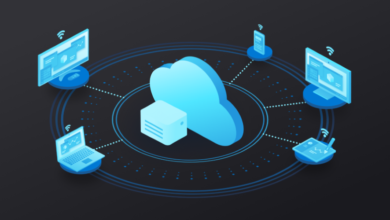
Workplaces change fast. Traditional tools do not meet modern demands anymore. Today, teams need speed, clarity, and instant feedback. They cannot rely on slow, static systems. To fix this gap, smart businesses use modern tools to connect their staff. The right setup turns simple meetings into high-performance engines. When you build an active workflow, your company operates with greater precision and alignment.
Many organizations now invest heavily in hardware and software upgrades. They want to remove friction from daily operations. They also want to bring distant workers closer together. This comprehensive guide shows you how interact technology solutions solve these problems. You will learn how these tools work, why they matter, and how to choose the best ones for your business growth.
Modern professionals do not want to sit through passive presentations. They want to engage, modify data, and collaborate seamlessly. When communication flows naturally, projects move from concept to launch much faster. This shift is exactly why interactive systems are transforming corporate spaces around the world.
What Are Interact Technology Solutions?
The term interact technology solutions refers to a mix of hardware and software tools. These tools help people share data and communicate in real time. They remove the lag between an idea and a decision. Instead of watching a presentation passively, users participate actively. This dynamic creates a high-energy environment where creativity thrives.
These systems combine touch screens, smart software, cloud storage, and audio-visual tools. They merge these separate parts into one smooth network. Because everything works together, workers do not waste time managing messy cables or complex logins. They simply walk into a room, tap a screen, and start working right away.
Modern setups focus entirely on user experience. They use clean interfaces and simple menus. They do not require an information technology degree to operate. Anyone on your team can learn to use them in a few minutes. This simplicity makes the technology highly effective for everyday business tasks, from morning huddles to client pitches.
Furthermore, these systems adapt to your current toolsets. They do not force you to replace everything you already use. Instead, they act as a unifying layer that makes your current software more accessible and visible to everyone in the room or on the video call.
The Core Pillars of Interactive Tech Ecosystems
To understand these tools, you must look at their individual parts. A complete setup relies on four major pillars. Each pillar handles a specific job. When they combine, they create a powerful, dependable environment for your staff.
- Smart Displays and Touch Hardware: These are the physical screens in your office space. They react instantly to touch, stylus input, and hand gestures. They replace old whiteboards and dim projectors with bright, crisp imagery.
- Unified Communication Software: This is the digital platform that connects team members across the globe. It handles HD video calls, instant messaging, and multi-user file sharing simultaneously.
- Cloud Infrastructure: The cloud saves all your work data instantly. It lets workers access documents securely from any location or device. It ensures that everyone views the most recent version of a file.
- Intuitive Control Systems: Central keypads or tablets manage the room hardware. They let you dim lights, adjust audio sound, and launch video conference calls with a single tap.
When these four pillars work in perfect harmony, technology fades into the background. Employees focus entirely on their ideas and their goals. They stop fighting with hardware and start delivering real results.
Why Modern Workplaces Need These Tools
Static offices slow down company growth. When employees use old tools, they spend too much time troubleshooting errors. They wait for large files to download. They misinterpret long, confusing email threads. These small daily delays add up quickly and harm your bottom line.
Implementing interact technology solutions removes these roadblocks entirely. It changes how information moves through your office building or remote workspace. Workers view clear data models. They give instant feedback on creative designs. This rapid workflow helps companies adapt to market changes faster than their competitors.
Remote work models also demand better collaboration tools. You cannot build a strong company culture if remote workers feel left out of office discussions. Interactive tools bridge this physical gap perfectly. They give remote staff the same visual presence and impact as people sitting directly in the physical boardroom.
Key Insight: Modern teams using active collaborative tools complete tasks 25% faster. They waste less time on email loops and spend more time creating actual value for customers.
How Interact Technology Solutions Drive Productivity
Productivity drops when people lose focus. Long, boring meetings wear employees out and drain their energy. Interactive tools fix this issue by keeping everyone active. When people touch screens, write on shared canvases, and move data objects around, they stay awake and fully engaged.
These systems also shorten meeting times drastically. Teams do not need to take long manual notes and write up summary reports later. The system captures everything on the screen automatically. It emails the complete notes to all attendees the exact moment the session ends.
This automated workflow saves hours of clerical work every week. Managers can reallocate this saved time to critical operational tasks. It allows your best minds to focus on business strategy rather than tedious documentation.
Think about the hours your team wastes formatting recaps. With interactive platforms, the output is generated live. Action items are assigned during the conversation, keeping projects on track without delays.
Transforming Dynamic Business Sectors
Different industries use interact technology solutions to solve unique daily problems. The absolute flexibility of these systems makes them highly useful across many different fields. Let us explore how three major sectors benefit from them.
1. Corporate Offices and Enterprises
Large corporations use these tools to connect global branches seamlessly. Executive teams hold deep strategy sessions across oceans without leaving their home desks. They view complex spreadsheets together, edit legal contracts live, and make big decisions in minutes. This speed cuts corporate travel costs drastically and protects corporate budgets.
It also streamlines onboarding. New hires join central training broadcasts where they interact with presenters, ask questions through live polls, and learn company policies quickly.
2. Healthcare Facilities and Hospitals
Hospitals use interactive displays to track patient data and train medical staff efficiently. Doctors view complex medical scans on high-resolution screens. They consult with top specialists in other cities during critical, time-sensitive moments. This rapid sharing of clinical knowledge improves patient outcomes and saves lives.
During shift changes, nurses use interactive digital boards to pass patient files to the next team. This minimizes communication errors and ensures continuity of care.
3. Retail and Customer Spaces
Modern retail stores use interactive kiosks to assist shoppers. Customers look up available stock, check current prices, and place custom orders on digital screens. This reduces long wait times at checkout lanes. It also gives management valuable data on customer shopping preferences.
Digital signage pulls real-time inventory levels to show relevant ads. If an item runs low, the display switches to highlight a different product automatically.
Revolutionizing Education and Training
Schools, universities, and training centers face major student engagement hurdles today. Modern students grow up with fast, responsive devices. They lose interest in standard lectures quickly. Educators need dynamic tools to capture their attention and hold it.
Deploying interact technology solutions in classrooms changes how students learn complex subjects. Teachers show interactive maps, run virtual science experiments safely, and launch quick digital quizzes. Students solve math problems directly on the large display screen for everyone to see.
Corporate trainers use these exact same methods. They onboard new hires faster with interactive training modules. Trainees retain much more information when they practice steps on a digital simulation rather than reading a thick, boring manual. Active learning creates lasting job skills.
Key Benefits for Business Growth
Investing in new technology systems requires clear financial proof. You want to know exactly what you get for your hard-earned money. These systems provide deep, measurable benefits that help your business expand over time.
- Lower Operating Costs: You spend much less money on business travel, paper printing, and separate software licenses. One unified system covers multiple business needs.
- Faster Decision Cycles: Teams review, edit, and approve creative projects on the spot. This eliminates long email approval delays and speeds up product launches.
- Better Employee Retention: Staff members genuinely enjoy using modern tools. Good technology reduces daily work frustration and raises overall job satisfaction.
- Enhanced Brand Image: Visiting clients notice your office technology immediately. Modern interactive systems show visitors that your business is forward-thinking, capable, and professional.
Choosing the Right Solution for Your Team
Not all systems fit every office environment. You must evaluate your specific needs carefully before buying hardware. Avoid purchasing flashy gadgets that do not align with your actual daily workflow. Focus on practical tools that solve real, identified problems.
Start by analyzing your team size and physical office layout. A small creative marketing agency needs different tools than a massive global logistics warehouse. Look for versatile tools that scale up easily as your company expands its headcount.
Consider the technical learning curve. If a system is too hard to use, your staff will simply ignore it and go back to old habits. Choose intuitive interfaces that feel familiar to smartphone users. Make sure the software integrates with your current email, calendar, and file systems smoothly.
Steps for a Successful Workspace Implementation
Bringing new technology into an office can cause some friction. Some employees naturally resist technical change. To ensure a smooth rollout, follow a clear, highly organized deployment plan step by step.
- Audit Current Systems: Review your existing hardware infrastructure and internet connection speeds. Upgrade weak links, like slow routers, before installing new interactive tools.
- Run a Local Pilot Test: Install the technology in a single meeting room first. Let a small group of active employees use it for a couple of weeks to find any initial workflow bugs.
- Provide Hands-on Training: Hold brief, highly practical training sessions. Show your staff exactly how the tools save them time during their normal daily routines.
- Gather Continuous Feedback: Ask users what features they like and dislike. Adjust the settings, layouts, or software options based on their real workplace experiences.
Overcoming Common Implementation Challenges
Tech deployments sometimes run into minor snags. Being aware of these common issues helps you prevent them before they slow you down. The most frequent hurdle is a poor network connection. Interactive tools require steady, fast upload and download speeds to stream media without lag or dropouts.
Data security is another critical concern for modern businesses. When you connect interactive displays to the cloud, you must protect your proprietary data. Work closely with your IT security team to set up secure passwords, multi-factor user authentication, and automatic logouts.
Lastly, keep all system software updated. Outdated applications slow down hardware performance and create software bugs. Turn on automatic background updates so your interactive tools always run the latest security patches and features without manual work.
The Future of Interactive Collaboration Tech
The global tech landscape keeps moving forward rapidly. We will see even more advanced interact technology solutions enter the market in the coming years. Artificial intelligence will play a massive role in these hardware and software upgrades.
Future systems will automatically translate spoken languages during live international calls. They will summarize voice conversations into written tasks and action items instantly. Some smart tools will even adjust room lighting, ventilation, and sound based on the number of people in the room.
Augmented reality and virtual reality will also merge with these tools. Remote workers will use lightweight headsets to sit in a virtual office space right next to their physical colleagues. Investing in flexible, modern setups today prepares your business to adopt these upcoming tools easily.
Maximizing Your Investment Return
Buying the tech is only the first step. To get the best return on investment, you must build an interactive culture. Encourage managers to ban static slides. Challenge teams to build live dashboards during reviews instead.
Track system usage metrics. Most modern interactive management software shows you how many hours a room is used and which features are popular. Use this data to optimize room layouts and plan future tech purchases sensibly.
When employees see leadership using the boards, they follow suit. Lead by example. Use the touch screens during company-wide updates to make your announcements memorable and engaging.
Conclusion
Business success requires clear, rapid communication and fast execution. You cannot win in a competitive market if your team uses slow, outdated communication tools. Old setups stall progress, cause misunderstandings, and frustrate your best workers.
Embracing interact technology solutions changes your entire operational game. These systems streamline daily tasks, connect remote teams perfectly, and boost creative energy across departments. They make your workflow smoother and your business far more agile.
Assess your current meeting rooms, classroom setups, and communication tools today. Identify exactly where your team loses time or engagement. Upgrade to modern interactive systems to unleash your team’s full potential and secure long-term business growth.