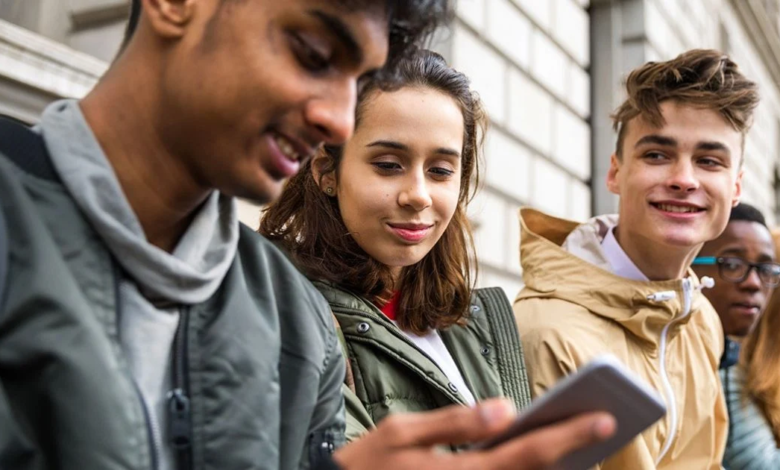
The world changes fast. Technology moves quick. Trends shift overnight. But nothing shifts the landscape quite like a new generation. Today, Gen Z takes the stage. They are not just the future. They are the present. They influence how we work, how we buy, and how we live. You see them on your phone screens. You hear their slang. But do you really know them?
Gen Z includes people born roughly between 1997 and 2012. They follow the Millennials. They precede Generation Alpha. This group grew up with the internet. They held smartphones before they could read. They do not know a world without social media. This digital upbringing shapes their worldview. It shapes their values. It makes them powerful.
The Digital Native Identity
Gen Z lives online. But they do not just surf the web. They create it. They curate it. They live on platforms like TikTok, Instagram, and YouTube. For older generations, the internet is a tool. For Gen Z, it is a place to exist. They build communities there. They find friends there. They learn skills there.
This constant connection changes how they think. They process information fast. They scroll through content in seconds. They have short attention spans. But they can also focus deeply on things they love. They spot fake news instantly. They value visual content over long text blocks.
Consider their relationship with brands. They do not trust TV commercials. They do not read billboards. They trust influencers. They trust real people. If a creator they like recommends a product, they buy it. If a brand acts fake, they cancel it. They hold immense power in the digital marketplace.
Here is what makes Gen Z unique online:
- Visual First: They prefer video and images.
- Instant Feedback: They expect likes and comments immediately.
- Algorithm Aware: They know how the internet tracks them.
- Multi-Platform: They use different apps for different needs.
Redefining the Workplace
The traditional office model is dead to Gen Z. They do not want to sit in a cubicle for forty years. They do not want a gold watch for retirement. They want purpose. They want flexibility. They want money.
The “Hustle Culture” that defined the last decade does not appeal to them as much. They saw their parents burn out. They saw companies lay off loyal employees. So, Gen Z protects their peace. They set boundaries. They leave work at 5:00 PM. They do not answer emails on weekends. This is not laziness. It is self-preservation.
They also value diversity and inclusion. They will not work for a company that ignores social issues. They want to see diverse leadership. They want to feel safe and included. If a boss tolerates racism or sexism, Gen Z will walk out. They will expose the company online.
Gen Z expects these things from employers:
- Remote Work: They want the option to work from home.
- Mental Health Days: They need time off for stress.
- Transparent Pay: They want to know what everyone earns.
- Clear Growth: They want a path to promotion.
Financial Habits: Prudent and Practical
You might think young people spend recklessly. Gen Z breaks that stereotype. They are actually quite careful with money. They grew up during the 2008 recession. They entered the workforce during a pandemic. They face high inflation and expensive housing. They know the value of a dollar.
They avoid debt. They are skeptical of credit cards. They prefer debit cards or buy-now-pay-later options carefully. They invest early, too. They use apps like Robinhood to trade stocks. They buy cryptocurrency. They educate themselves on YouTube about personal finance.
However, they do spend money on experiences. They value travel. They value concerts. They value good food. They will buy a $300 ticket to see their favorite artist. But they might buy that outfit from a thrift store. They mix smart saving with mindful spending.
Top financial priorities for Gen Z include:
- Emergency Funds: They save for a rainy day.
- Home Ownership: They want to buy houses, despite high prices.
- Retirement: They start investing in their 20s.
- Ethical Spending: They buy from sustainable brands.
Social Consciousness and Activism
Gen Z cares deeply about the planet and people. They are activists. They use social media to organize protests. They spread awareness about climate change. They fight for racial justice. They support LGBTQ+ rights.
They do not wait for the government to fix problems. They take action themselves. They boycott brands that hurt the environment. They support small businesses that align with their values. They call out hypocrisy. They hold leaders accountable.
This generation is fluid. They do not like labels. They reject rigid gender norms. They embrace different identities. They believe everyone should live their truth. This openness makes them a compassionate generation. It also makes them a force for political change.
Key causes Gen Z fights for:
- Climate Action: They demand green energy.
- Racial Equality: They support Black Lives Matter.
- Mental Health Awareness: They destigmatize therapy.
- LGBTQ+ Rights: They advocate for inclusion.
Mental Health: No More Stigma
Perhaps the biggest shift Gen Z brings is the conversation around mental health. They do not hide their struggles. They talk about anxiety. They talk about depression. They go to therapy. They take medication.
They view mental health just like physical health. If you break your leg, you see a doctor. If you feel sad, you see a therapist. This openness helps everyone. It reduces shame. It encourages people to seek help.
They also set digital boundaries. They know social media can hurt their self-esteem. They take breaks from their phones. They unfollow accounts that make them feel bad. They curate their feeds to spark joy. They prioritize their well-being over likes and views.
How Gen Z manages mental health:
- Therapy: They view therapy as essential.
- Medication: They are open to using prescribed drugs.
- Mindfulness: They practice meditation and yoga.
- Digital Detoxes: They log off to recharge.
The Consumer Revolution
Marketers must change their tactics to reach Gen Z. Old tricks do not work. They can smell a fake ad from a mile away. They hate “corporate speak.” They want raw, real, unfiltered content.
They love user-generated content. They want to see real customers using products. They trust reviews more than brand promises. They also love personalization. They want products that feel made just for them.
Sustainability is a huge factor. They check labels. They research materials. They want to know where a product comes from. They will pay more for eco-friendly items. They punish brands that waste resources or use sweatshops.
Brands succeed with Gen Z when they:
- Are Authentic: They admit mistakes and fix them.
- Take a Stand: They speak up on social issues.
- Use Humor: They do not take themselves too seriously.
- Engage: They reply to comments and DMs.
Relationships and Lifestyle
Gen Z approaches dating differently. They use apps like Tinder and Hinge. But they also crave deeper connections. They are less interested in casual hookups than people think. They want partners who respect their boundaries and mental health.
Many delay traditional milestones. They marry later. They have kids later. Some choose not to have kids at all. They focus on personal growth first. They focus on career stability.
Friendship is vital to them. They treat friends like family. They rely on their support systems. They communicate constantly via text and snaps. They maintain friendships across the globe through online gaming and social media.
Education and Learning
The traditional four-year college degree is losing its grip on Gen Z. They see the student loan crisis. They see graduates struggling to find jobs. So, they explore alternatives.
They learn skills online. They watch YouTube tutorials. They take courses on Coursera or Udemy. They value skills over degrees. They want to learn coding, design, marketing, and content creation. They build portfolios instead of just resumes.
They also question the education system. They ask why school costs so much. They ask why it teaches things they will never use. They demand practical, relevant learning.
Gen Z prefers these learning methods:
- Video Tutorials: They learn by watching.
- Micro-Learning: They prefer short lessons.
- Mentorship: They learn from experienced pros.
- Hands-On Practice: They learn by doing.
Challenges They Face
It is not all easy for Gen Z. They face massive challenges. The housing market is tough. Rents are skyrocketing. Wages have not kept up with inflation. The job market is competitive.
They also face the “comparison trap.” Social media shows everyone else living perfect lives. This creates anxiety. It makes them feel like they are not doing enough. They feel pressure to succeed young. They feel pressure to be influencers.
Climate change weighs heavy on them. They worry about the future of the planet. They worry about having kids in an unstable world. This anxiety is real. It affects their daily choices.
The Future of Gen Z
Despite the challenges, Gen Z remains optimistic. They are resilient. They are creative. They are innovative. They will invent new technologies. They will solve old problems. They will lead the world into a new era.
They will force companies to be better. They will force politicians to listen. They will build a more inclusive, sustainable, and connected world. They are not just preparing for the future. They are building it right now.
Businesses, leaders, and parents must listen. If you ignore Gen Z, you get left behind. If you embrace them, you grow. Understand them. Respect them. Work with them. They are the driving force of today.
Conclusion
Gen Z is a powerhouse. They combine digital savvy with social conscience. They balance financial caution with experiential living. They demand mental health support and workplace flexibility. They are not difficult. They are just different.
They represent a shift towards authenticity and purpose. They value truth over perfection. They value action over words. As they grow older, their influence will only expand. They will shape the economy. They will shape culture. They will shape policy.
To succeed in this new landscape, adapt to their rhythm. Be real. Be fast. Be kind. The future belongs to Gen Z. And honestly, looking at their drive and passion, the future looks bright.