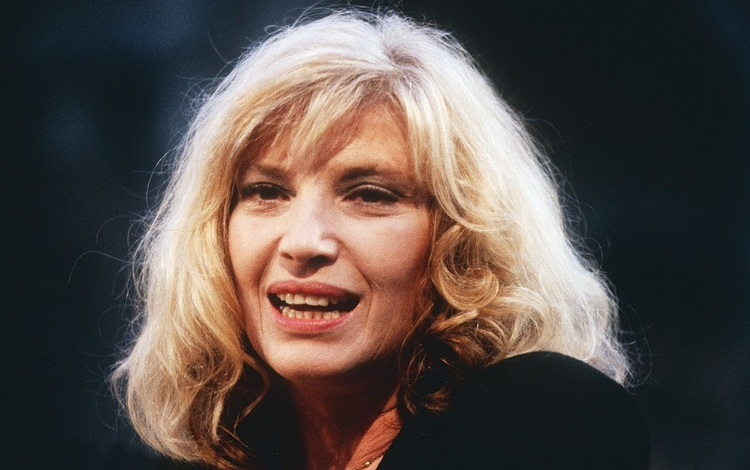
Monica Vitti remains a giant in the history of film. She defined an era of European cinema. Her face, her eyes, and her unique talent changed how audiences watched movies. She did not just act; she became the symbol of modern womanhood in the 1960s. This article explores the life, career, and lasting legacy of Monica Vitti.
The Early Years in Rome
Monica Vitti was born Maria Luisa Ceciarelli on November 3, 1931. She grew up in Rome. The city shaped her early life. Rome was a place of history and art, but it was also tough during World War II. As a young girl, Monica loved literature and acting. She wanted to perform.
She joined the National Academy of Dramatic Art in Rome. She worked hard to learn her craft. After graduation, she moved to Paris. She performed in French theaters. She learned about avant-garde styles. When she returned to Italy, she joined a theater company. She worked with famous directors like Michelangelo Antonioni. At this time, she changed her name to Monica Vitti. She was ready for the screen.
The Collaboration with Antonioni
Monica Vitti is famous for her work with director Michelangelo Antonioni. They changed cinema together. Before them, movies often had clear plots and happy endings. Antonioni and Vitti did something different. They focused on feelings, boredom, and the difficulty of connecting with others.
Their first major film was L’Avventura (1960). The movie starts with a woman disappearing on an island. Her friend, played by Vitti, searches for her. But the story shifts. The search becomes less important than the feelings of the characters. Vitti plays Claudia. She shows confusion, longing, and deep sadness.
Critics did not like the movie at first. They booed at the Cannes Film Festival. But soon, people realized the film was a masterpiece. Monica Vitti became a star. She became the muse of Antonioni.
The Trilogy of Modernity
Monica Vitti and Antonioni made a famous trilogy. These films explored the life of the modern, wealthy, and unhappy person. The films are L’Avventura (1960), La Notte (1961), and L’Eclisse (1962).
In La Notte, Vitti plays the daughter of a sick patient. She brings energy to a dull story. In L’Eclisse, she plays a woman who cannot find meaning in love or life. These films are beautiful but sad. Monica Vitti captures the mood perfectly. She shows what it feels like to be alone in a crowd.
In 1964, they made Red Desert (Il Deserto Rosso). This was their first color film. Vitti plays Giuliana, a woman who struggles with the industrial world around her. She feels lost and anxious. Her performance is powerful. She shows mental pain with her body and her eyes. Monica Vitti proved she was the best actress for complex, psychological roles.
Why Monica Vitti Stands Out
Monica Vitti had a unique screen presence. She was beautiful, but not in a standard way. She had a sharp nose, intense eyes, and a strong voice. She used her face to show emotions. She could say nothing, but her eyes told a whole story.
Here are a few reasons why audiences loved her:
- Her Eyes: Vitti had expressive eyes. She could look bored, sad, or playful without speaking.
- Her Style: She wore clothes that defined the 1960s. Short hair, geometric shapes, and bold colors.
- Her Range: She started as a serious actress in art films. Later, she made millions laugh in comedies.
The Queen of Italian Comedy
In the late 1960s, Monica Vitti changed her path. She left the serious, sad world of Antonioni. She wanted to make people laugh. She turned to “Commedia all’Italiana,” or Italian comedy.
This was a risky move. Critics thought she was an “art film” actress. They thought she could not be funny. They were wrong. Monica Vitti became the queen of comedy. She had perfect timing. She was funny, charming, and relatable.
She worked with great directors like Mario Monicelli, Dino Risi, and Ettore Scola. She often acted alongside Alberto Sordi. They were a famous duo. Their movie The Pizza Triangle (Dramma della gelosia) is a classic. In it, she plays a construction worker who is caught between two men. She is funny, tough, and lovable.
She made many hit comedies in the 1970s and 1980s. Films like The Girl with the Pistol and Teresa the Thief showed her skill. She could make audiences laugh while also showing the struggles of ordinary women.
Monica Vitti and Fashion
Monica Vitti was a style icon. Her look defined the 1960s. In Antonioni’s films, she wore simple, elegant clothes. She often wore beige, white, and black. Her style was clean and modern.
When she moved to comedy, her style changed. She became more colorful. She wore bright dresses, big hats, and playful accessories. Designers loved her. She made simple clothes look high-fashion. Women all over the world copied her hair and her makeup. She was not just an actress; she was a trendsetter.
Personal Life and Love
Monica Vitti’s personal life was often in the news. She had a long relationship with Michelangelo Antonioni. They worked together and loved each other for many years. However, they never married. The relationship ended in the late 1960s.
Later, she found love with Roberto Russo. He was a director and photographer. They stayed together for decades. They married in 2000. Russo supported her throughout her career and her later life.
Vitti valued her privacy. She did not like the paparazzi. She wanted people to focus on her work, not her private life. She kept a low profile when she was not filming.
Behind the Camera
Monica Vitti was not only an actress. She also tried directing. In the late 1980s, she directed her first film. The movie was called Secret Scandal (Scandalo segreto). She also wrote the screenplay.
The film starred herself and Elliott Gould. It was a drama about a woman who hides a secret. The movie received mixed reviews. Critics noted that it was a brave attempt. It showed her deep understanding of cinema. She did not direct another film, but she proved her talent went beyond acting.
Retirement from the Screen
Monica Vitti acted in over 30 films. She also worked in television and theater. But in the 1990s, she stepped back from the spotlight. Her last major film role was in the early 1990s.
She decided to retire. She did not make a big announcement. She simply stopped acting. She spent her time writing and painting. She lived a quiet life in Rome with her husband. She avoided public events. She rarely gave interviews. Fans missed her, but they respected her privacy.
The Final Years: A Quiet Battle
In her later years, Monica Vitti faced a difficult health challenge. She developed Alzheimer’s disease. This disease affects the brain and memory. It is a cruel condition for someone who lived through so many stories.
Her husband, Roberto Russo, cared for her. He protected her from the public eye. He rarely spoke about her condition. He wanted to preserve her dignity. For many years, the public did not know much about her health.
In 2018, rumors spread that she had died. Her husband denied these rumors. He said she was alive but living quietly. He asked for respect and privacy.
The Death of an Icon
Monica Vitti died on February 2, 2022. She was 90 years old. She passed away in Rome. The news shocked the world of cinema. Fans, critics, and actors paid tribute to her.
The mayor of Rome announced a public funeral. The city wanted to honor its star. People gathered to say goodbye. They remembered her beauty, her talent, and her laughter. Newspapers called her the “Queen of Italian Cinema.”
The Legacy of Monica Vitti
Monica Vitti left a mark on film history. She influenced generations of actors and directors. She showed that actresses could be more than just pretty faces. They could be complex, funny, and profound.
Her influence is still visible today. Modern actresses study her work. Designers still look at her photos for inspiration. Her films are still shown in cinemas and film festivals. New audiences discover her every year.
Here are the key parts of her legacy:
- Redefining Acting: She showed that acting is about silence and eyes, not just words.
- Bridging Genres: She mastered both high art and popular comedy. This is very rare.
- Empowering Women: She played strong women who had feelings and desires. She did not just play the girlfriend or the wife.
- Timeless Style: Her look is still modern and chic.
Why We Still Watch Monica Vitti Today
In the age of streaming and fast content, why watch Monica Vitti? Because her films are about human feelings. They are about the things that never change. Loneliness, love, confusion, and joy.
Her films with Antonioni are slow and beautiful. They make you think. Her comedies are fast and funny. They make you feel good. She offers something for every mood.
Watching Monica Vitti is a masterclass in acting. You see a woman who is not afraid to be vulnerable. You see a woman who uses her body and face to tell a story. She teaches us that less can be more.
Conclusion: The Eternal Muse
Monica Vitti was a once-in-a-lifetime talent. She captured the mood of a changing world. She moved from the black and white angst of the 1960s to the colorful chaos of the 1980s. She did it with grace and skill.
She was the muse of Antonioni. She was the queen of comedy. She was a style icon. But most of all, she was Monica Vitti. A woman who lived, loved, and acted on her own terms.
Her films remain. Her images remain. The memory of her eyes remains. She reminds us of the power of cinema. She reminds us that a great actress can change the way we see the world. Monica Vitti will always be the Queen of Italian Cinema. Her story is not over. It plays on every time someone presses play on one of her films.