Indiana Pacers vs Oklahoma City Thunder Match Player Stats: Full Breakdown, Key Trends, and What the Numbers Say

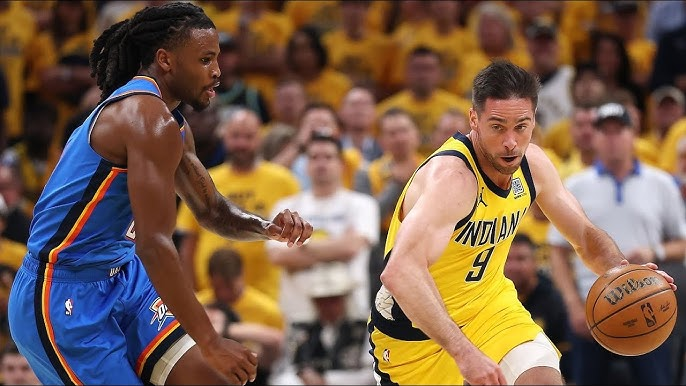
The Indiana Pacers vs Oklahoma City Thunder match player stats tell a clear story when you slow down and look closely. Box scores do more than show who won. They show how teams tried to win. They reveal who drove the pace, who protected the rim, who created shots, and who held up under pressure.
In this article, I break down the key stat areas that shape this matchup. I also explain what to watch in player numbers, even if you only glance at the scoreboard. I keep the language simple, the sentences short, and the focus sharp.
Why This Matchup Pulls Fans In
The Pacers often play fast. They push the ball. They look for early shots. The Thunder play with control. They move defenders. They attack mismatches. When these styles meet, the game becomes a tug-of-war.
The indiana pacers vs oklahoma city thunder match player stats usually fall into a few repeat patterns:
- Indiana tries to win with pace and shooting.
- Oklahoma City tries to win with efficient drives and smart defense.
- The rebound battle decides who controls the rhythm.
- Turnovers decide who gets easy points.
That is the frame. Now let’s dig into the stats that matter.
Team Stat Snapshot: What Usually Decides the Game
Before you zoom into players, you should scan the team totals. This gives you context. Player stats look different when a team plays at 105 possessions instead of 95.
Here are the team areas that often decide a Pacers vs Thunder game:
- Pace (possessions): Indiana likes it high. OKC can match, but it prefers balance.
- Turnovers: Thunder tend to force mistakes with active hands.
- Three-point volume: Indiana often takes more threes.
- Free throws: OKC often gets more attempts from drives.
- Rebounds: Second chances swing momentum fast.
When you read the indiana pacers vs oklahoma city thunder match player stats, keep these team factors in mind. They explain why one player gets more shots, or why another has fewer assists.
Indiana Pacers: Player Stat Themes That Stand Out
The Pacers spread the floor. They use quick reads. Their best games show clean ball movement and efficient scoring.
Pacers Guards: Assists, Pace, and Pressure
Indiana’s guards often carry the tempo. Their best stat lines include high assists with low turnovers.
When Pacers guards play well, you usually see:
- 7–12 assists
- 0–3 turnovers
- Strong plus/minus in fast lineups
- High points in transition (easy layups, corner threes)
In a typical indiana pacers vs oklahoma city thunder match player stats sheet, Indiana’s lead guard also shows strong “hockey assists.” You won’t see that in a box score, but you will feel it in the flow.
What hurts them? Live-ball turnovers. Those feed OKC’s running game.
Pacers Wings: Threes, Cuts, and Defensive Matchups
Indiana wings often sit at the center of the spacing plan. They hit spot-up shots. They cut when defenders watch the ball.
Watch these numbers:
- 3PT makes and attempts (volume matters)
- Steals and deflections (activity matters)
- Rebounds (especially long rebounds off threes)
If a Pacers wing hits 3–4 threes, the entire floor opens. That makes drives easier. It also forces OKC to rotate more.
Pacers Bigs: Screens, Rebounds, and Rim Finishes
Big men rarely lead the scoring. But they often decide the “hidden” battles.
In the indiana pacers vs oklahoma city thunder match player stats, Pacers bigs look best when they show:
- Double-digit rebounds
- High FG% (mostly at the rim)
- 2–4 assists from handoffs or short rolls
- Solid rim defense (blocks and altered shots)
If their center gets in foul trouble, things change fast. OKC then attacks the paint with more force.
Oklahoma City Thunder: Player Stat Themes That Stand Out
The Thunder play smart basketball. They hunt good shots. They draw fouls. They rotate on defense. Their player stats often look “clean,” with fewer empty possessions.
Thunder Lead Creator: Efficiency and Free Throws
OKC’s top creator often leads in usage. But the key number is not raw points. It is efficiency.
In a good Thunder game, you often see:
- 25–35 points
- 8–12 free throw attempts
- 5–8 assists
- Low turnovers for the workload
When that player gets to the line, OKC controls the game. It also slows Indiana’s pace. Free throws break rhythm. They force half-court possessions.
So when you scan the indiana pacers vs oklahoma city thunder match player stats, look at free throws early. They hint at the final shape of the game.
Thunder Secondary Creators: Drives, Kickouts, and Turnover Control
OKC tends to have more than one ball handler who can create. That makes their offense harder to trap.
Secondary creator stat lines often show:
- 15–22 points
- 4–7 assists
- Good 3PT rate on catch-and-shoot looks
- 1–2 turnovers
If Indiana collapses too much, OKC punishes it with corner threes. If Indiana stays home on shooters, OKC attacks the rim.
Thunder Bigs: Rim Protection and Switchability
Thunder bigs impact the game in ways that do not always show up in points.
Key stats to watch:
- Blocks and contests
- Defensive rebounds
- Fouls (too many can ruin rim protection)
- Screen assists (not in basic box scores)
In many indiana pacers vs oklahoma city thunder match player stats lines, the Thunder big has 8–12 points but still swings the game through defense.
Head-to-Head Stat Battles That Matter Most
Some matchups are “quiet” until you compare the right numbers. Here are the main battles that often decide this game.
1) Assists vs Turnovers
Indiana wants assists. OKC wants to force turnovers.
Watch:
- Team assists
- Team turnovers
- Steals
- Fast-break points
If Indiana wins the assist-to-turnover battle, it usually stays close or wins. If OKC forces 15+ turnovers, the Thunder usually gain control.
2) Three-Point Shooting vs Rim Pressure
Indiana often shoots more threes. OKC often attacks the rim more.
So compare:
- 3PA and 3PM
- Points in the paint
- Free throws
- Opponent foul count
If Indiana hits threes early, OKC must adjust. If OKC gets to the line early, Indiana must defend without fouling.
3) Rebounds and Second Chances
One extra rebound can turn into a 5-point swing when it becomes a kickout three.
Look at:
- Offensive rebounds
- Second-chance points
- Team rebounding totals
If one team gets 10+ offensive boards, the other team often feels tired by the fourth quarter.
How to Read the Box Score Like a Coach (Simple Version)
You do not need advanced stats to read a game. You just need a few habits.
When you open the indiana pacers vs oklahoma city thunder match player stats, scan in this order:
- Minutes played
Who stayed on the floor? Who sat in key runs? - Field goal attempts
Who took the shots? Was it by design? - Free throw attempts
Who forced contact? Who settled? - Turnovers
Were they from bad passing or strong defense? - Rebounds
Who finished possessions? - Plus/minus (with caution)
It helps, but it depends on lineups.
This approach makes the stat sheet feel alive. It becomes a story, not a list.
Player Stat Indicators That Predict a Win
Some numbers show up again and again in winning games. Here are a few that matter in this matchup.
Winning Indicators for the Pacers
Indiana often wins when:
- It hits 13+ threes
- It keeps turnovers near 12 or less
- Its lead guard reaches 10+ assists
- It wins or ties the rebound battle
- Its bench adds 30+ points
In the indiana pacers vs oklahoma city thunder match player stats, you can spot these patterns fast.
Winning Indicators for the Thunder
Oklahoma City often wins when:
- It gets 25+ free throw attempts
- It forces 15+ turnovers
- It wins points in the paint
- It gets a strong two-way game from a wing stopper
- It closes quarters well (end-of-quarter scoring runs)
These are not rules. But they work as signals.
The Bench Factor: Quiet Stats That Change the Game
Bench players often decide the middle of the game. Starters set the tone. But the bench can flip it.
When benches matter, the stat sheet shows:
- Bench points
- Bench rebounds
- Bench plus/minus
- 3PT impact from role shooters
In a tight indiana pacers vs oklahoma city thunder match player stats breakdown, you often see one bench scorer reach 14–18 points. That forces lineup changes. It also changes defensive matchups.
Defense in the Stats: What You Can See and What You Can’t
Defense is harder to measure. But you can still read it through simple numbers.
Defensive Clues You Can Trust
- Opponent FG% at the rim (if available)
- Blocks
- Steals
- Defensive rebounds
- Foul count
If OKC has high steals and Indiana has high turnovers, you can assume OKC’s pressure worked. If Indiana has low fouls but still gives up many free throws to one player, it may have failed to cut off drives.
Defensive Clues You Should Treat Carefully
- Plus/minus for single games
- Blocks alone (some blocks happen after a player already lost position)
- Steals alone (some steals come from risky gambles)
Use these in context.
Key “Mini-Stats” Fans Miss (But They Matter)
The standard box score hides a few important details. You can still infer them.
Shot Profile
Ask simple questions:
- Did a player take 8 threes or 2?
- Did they live at the rim or settle for mid-range shots?
- Did they get to the line or avoid contact?
These choices shape efficiency more than raw points.
Role Stability
If a role player takes 12 shots, something changed. Either they got hot, or the defense collapsed somewhere else.
So in the indiana pacers vs oklahoma city thunder match player stats, pay attention to shot attempts for non-stars. They often reveal the defensive plan.
What to Watch Next Time These Teams Play
If you want to watch the next game with “stat eyes,” focus on these live cues.
- Indiana pushes after makes and misses.
If OKC gets back fast, Indiana’s transition points drop. - OKC attacks closeouts.
If Indiana overhelps, OKC gets open corner threes. - Rebound positioning becomes a war late.
One extra board can decide the final minute. - Fouls change rotations.
Early fouls on a big man change the whole paint game.
Then, after the final buzzer, return to the indiana pacers vs oklahoma city thunder match player stats and confirm what you saw.
FAQ: Indiana Pacers vs Oklahoma City Thunder Match Player Stats
What is the most important stat in this matchup?
Turnovers often matter most. Indiana wants clean possessions. OKC wants steals and runouts. If one team wins the turnover battle by 6–8, it usually wins the game.
Why do free throws matter so much for OKC?
Free throws boost efficiency and slow the game. They also put defenders in foul trouble. That opens lanes and creates easier shots later.
Why do the Pacers take so many threes?
Their system creates fast, open looks. Threes also punish teams that pack the paint. If Indiana hits early, it forces OKC to stretch its defense.
Do bench points really matter?
Yes. Bench scoring often decides the second and early fourth quarters. Those minutes can build or erase leads fast.
Final Take
The indiana pacers vs oklahoma city thunder match player stats are not just numbers. They are a map of decisions. They show what each team tried to do and where it succeeded.
Indiana often needs clean passing, fast pace, and strong three-point shooting. Oklahoma City often needs rim pressure, free throws, and forced turnovers. When you track those stat battles—assists vs turnovers, threes vs free throws, rebounds vs second chances—you can understand the game in a deeper way.
If you want, paste the exact box score (or a screenshot) from a specific Pacers vs Thunder game, and I will rewrite this as a true player-by-player stat recap with accurate numbers and highlights.